
-
TUG started 32 years ago in October 1993 as a group of regular Timeshare owners just like you!
Read about our 32nd anniversary: Happy 32nd Birthday TUG! -
TUG has a YouTube Channel to produce weekly short informative videos on popular Timeshare topics!
All subscribers auto-entered to win all free TUG membership giveaways!
Visit TUG on Youtube! -
TUG has now saved timeshare owners more than $24,000,000 dollars just by finding us in time to rescind a new Timeshare purchase! A truly incredible milestone!
Read more here: TUG saves owners more than $24 Million dollars -
Wish you could meet up with other TUG members? Well look no further as this annual event has been going on for years in Orlando! How to Attend the TUG January Get-Together!
-
Now through the end of the year you can join or renew your TUG membership at the lowest price ever offered! Learn More!
-
Sign up to get the TUG Newsletter for free!
Tens of thousands of subscribing owners! A weekly recap of the best Timeshare resort reviews and the most popular topics discussed by owners! -
Our official "end my sales presentation early" T-shirts are available again! Also come with the option for a free membership extension with purchase to offset the cost!
All T-shirt options here!
You are using an out of date browser. It may not display this or other websites correctly.
You should upgrade or use an alternative browser.
You should upgrade or use an alternative browser.
Schools reopening or not
- Thread starter "Roger"
- Start date
- Status
- Not open for further replies.

TravelTime
TUG Member
- Joined
- Mar 20, 2018
- Messages
- 8,115
- Reaction score
- 6,473
- Location
- California
- Resorts Owned
- All Resale: MVC DPs, Marriott Ko Olina, Marriott Marbella, WKOVR-N, Four Seasons Aviara
Here's the latest CDC guidance for reopening schools.
Considerations for Schools
Community, Work, and School
Actions that communities can take to slow the spread of COVID-19.www.cdc.gov
It sounds like the CDC is implying that schools should stay shut down.
They changed their guidance a few day ago after someone complained. The previous guidance was even more stringent.It sounds like the CDC is implying that schools should stay shut down.
I'm of the opinion that the reopening of schools should be a local decision, and based on local conditions. I live in Texas, one of the states that's currently trending in the wrong direction. Our state has decided that all schools should open in the fall. I expect they'll be walking back that decision pretty soon.
The reality in Texas is that the recent surge in new C19 cases can be attributed to Houston, Dallas, San Antonio and Austin. You can throw El Paso into the mix but their number are not near those of our other large cities. Given the fact that not only new cases are increasing in these areas, the positivity rate is also increasing. So, fully reopening schools in these areas, may not be the best course of action. However, some of the other 90% of our school districts live in counties that have had very few cases. Some have not recorded a single one since this thing started, and others have recorded less than 10 cases. It makes no sense for the districts with little to no C19 exposure to remain closed, and it makes no sense for a district with uncontrolled outbreaks to reopen. It should be based on local conditions, not mandated from a state or national level.
The reality in Texas is that the recent surge in new C19 cases can be attributed to Houston, Dallas, San Antonio and Austin. You can throw El Paso into the mix but their number are not near those of our other large cities. Given the fact that not only new cases are increasing in these areas, the positivity rate is also increasing. So, fully reopening schools in these areas, may not be the best course of action. However, some of the other 90% of our school districts live in counties that have had very few cases. Some have not recorded a single one since this thing started, and others have recorded less than 10 cases. It makes no sense for the districts with little to no C19 exposure to remain closed, and it makes no sense for a district with uncontrolled outbreaks to reopen. It should be based on local conditions, not mandated from a state or national level.
We're going to do it. Just hope we don't blow it like we did every other aspect of addressing this disaster.Oh yes, NYT is right and it is tricky; like all the other times when you want to stall something rather than just do it.
I just saw that trend on Twitter. Looks like the teachers are doubling down. In all fairness, they do raise some valid concerns. They seem to be asking "how" they can safely return to the classroom and remain safe? Seems like several of the districts need to step up their communications plans to answer some of their teachers questions and include them in developing their reopening procedures. Schools have been reopened all over the world with good results. I'm confident we can do it here also, but we really need to give the teachers a seat at the table as we plan this out. We can't do it without them.And I see #RefuseToReturn is now trending on Twitter....

- Joined
- Apr 9, 2016
- Messages
- 4,305
- Reaction score
- 3,824
- Resorts Owned
- RCI Weeks: LaCosta Beach Club, RCI Points: Oakmont Resort, Vacation Village at Parkway. Wyndham: CWA and La Belle Maison, and WorldMark.
Maybe high school students don't run up to teacher and blow their noses, but high school students have been known to exhibit some pretty stupid behaviors.
Understatement of the morning!
- Joined
- Apr 9, 2016
- Messages
- 4,305
- Reaction score
- 3,824
- Resorts Owned
- RCI Weeks: LaCosta Beach Club, RCI Points: Oakmont Resort, Vacation Village at Parkway. Wyndham: CWA and La Belle Maison, and WorldMark.
I just saw that trend on Twitter. Looks like the teachers are doubling down. In all fairness, they do raise some valid concerns. They seem to be asking "how" they can safely return to the classroom and remain safe? Seems like several of the districts need to step up their communications plans to answer some of their teachers questions and include them in developing their reopening procedures. Schools have been reopened all over the world with good results. I'm confident we can do it here also, but we really need to give the teachers a seat at the table as we plan this out. We can't do it without them.
With respect to this aspect, many districts took the approach of waiting for their respect state's DOE to issue reopening guidelines and procedures thinking it would be senseless to make local level policies that would likely have to be modified (if not completely revamped) when the DOE issues their guidelines and procedures.
And when state DOE's finally issued something on this matter, the guidelines and procedures were feckless - at best.
So now, with most of the summer essentially wasted, local school boards are now in a scramble mode to figure out what to do.
How many students will be returning to school this fall?
What does returning to school mean for each student specifically? In class attendance? Distance learning only?
A few districts have issued cut off dates by which parents must declare 1) is/are their student/s returning this year and 2) in person or remote and 3) with the understanding this decision cannot be changed from remote to in-person until the semester break.
What happens to the student whose parent does not reply to this deadline for a decision?
Can a school district deny that student admission to the district? Should a district be able to deny a student admission to a district on this basis (allowing for reasonable exceptions - best example family moves)?
Even if such a policy were allowed, far too many school boards and superintendents only want to increase student counts - by any manner available - to obtain more state and federal money.
While I could continue on, let me point out what our state DOE should mandate but - thus far - has failed to issue and that is a drastic cut in class sizes to increase social distancing.
It CAN be done - but it will not be easy. It will take money - and that money will need to comes from some place - but it can be done. It will take some innovative thinking - which the education sector claims to be in favor of while concurrently being among the most restrictive environments in which to innovate.
Here is a specific example (albeit limited to the elementary level).
While these numbers might vary from state to state, in general the maximum number of students allowed per class is as follows:
Kindergarten: 20 students per class (22 with a 1/2 time aide)
1 - 3: district average 23 students per grade per class average with no more than 25 in any one classroom
4: district average 25 students per grade per class average with no more than 28 in any one classroom
These numbers need to be reduced by at least one-third if social distancing in a classroom is to be achieved.
I have yet to see any state DOE mandate that.
Speaking of teens, I spent a long weekend with 15 17& 18 year old kids. These kids have gone to the same summer camp together for the past 8-10 years. Camp was obviously cancelled this summer. They organized this trip on their own -- I really had no part of it. Found the place, brought all the food, organized meals, etc.Understatement of the morning!
I know it's easy to get down on the "young generations" but if the future is filled with kids like this we are in good hands. They are resourceful, funny, intelligent, kind & caring. And just like all of you -- THEY ARE WORRIED ABOUT THEIR FUTURE. Their world has been upended too. None of them has a clue what their senior year of high school will be like.
- Joined
- Apr 9, 2016
- Messages
- 4,305
- Reaction score
- 3,824
- Resorts Owned
- RCI Weeks: LaCosta Beach Club, RCI Points: Oakmont Resort, Vacation Village at Parkway. Wyndham: CWA and La Belle Maison, and WorldMark.
Speaking of teens, I spent a long weekend with 15 17& 18 year old kids. These kids have gone to the same summer camp together for the past 8-10 years. Camp was obviously cancelled this summer. They organized this trip on their own -- I really had no part of it. Found the place, brought all the food, organized meals, etc.
I know it's easy to get down on the "young generations" but if the future is filled with kids like this we are in good hands. They are resourceful, funny, intelligent, kind & caring. And just like all of you -- THEY ARE WORRIED ABOUT THEIR FUTURE. Their world has been upended too. None of them has a clue what their senior year of high school will be like.
So you survived the weekend, eh? Congrats!
Just about the time you get really down on them in general, a few kids manage to (somehow) remind you the future is not entirely without hope.....

DannyTS
TUG Member
- Joined
- Mar 24, 2018
- Messages
- 5,753
- Reaction score
- 3,076
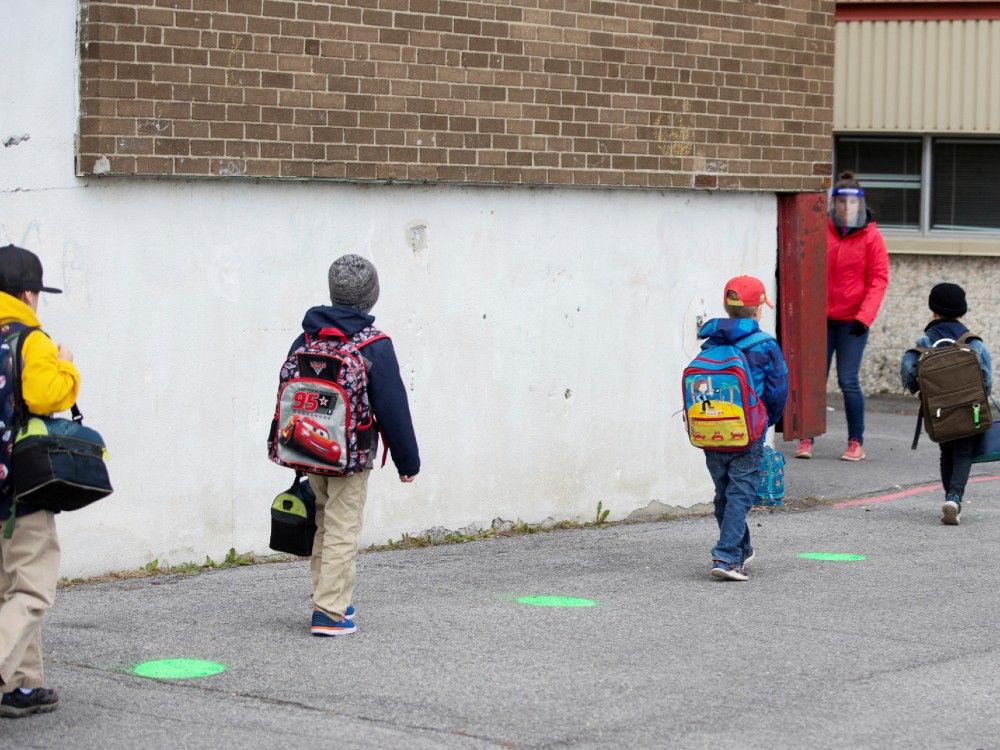
Quebec's experiment to open schools amid COVID-19 was successful, education experts say
Quebec’s closely watched experiment reopening schools amid the COVID-19 pandemic winds down next week as the summer break begins, and the reviews are largely positive. The province was the first in the country to reopen schools after COVID-19 brought regular life to a standstill, with children outside the Montreal region heading back to class in mid-May. The federation representing administrators of the French school system outside Montreal says that about two-thirds of students returned to class once parents got comfortable with the idea. The federation’s president, Nicolas Prevost, said things went relatively smoothly in the schools, though maintaining physical distancing on school buses was a challenge. It will likely remain an issue in the fall — one that school boards across Canada have identified — if physical distancing requirements remain in place.
 nationalpost.com
Quebec’s closely watched experiment reopening schools amid the COVID-19 pandemic winds down next week as the summer break begins, and the reviews are largely positive. The province was the first in the country to reopen schools after COVID-19 brought regular life to a standstill, with children outside the Montreal region heading back to class in mid-May. The federation representing administrators of the French school system outside Montreal says that about two-thirds of students returned to class once parents got comfortable with the idea. The federation’s president, Nicolas Prevost, said things went relatively smoothly in the schools, though maintaining physical distancing on school buses was a challenge. It will likely remain an issue in the fall — one that school boards across Canada have identified — if physical distancing requirements remain in place.
Quebec's experiment to open schools amid COVID-19 was successful, education experts say
The federation's president, Nicolas Prevost, said things went relatively smoothly in the schools, though maintaining physical distancing on school buses was a chall…
I survived and as they say “time heals all wounds”. These are good kids.So you survived the weekend, eh? Congrats!
Just about the time you get really down on them in general, a few kids manage to (somehow) remind you the future is not entirely without hope.....

WVBaker
TUG Member
- Joined
- Mar 19, 2015
- Messages
- 2,487
- Reaction score
- 2,088
I survived and as they say “time heals all wounds”. These are good kids.
"Youth offers the promise of happiness, but life offers the realities of grief."
Nicholas Sparks
Glad to see you made it.

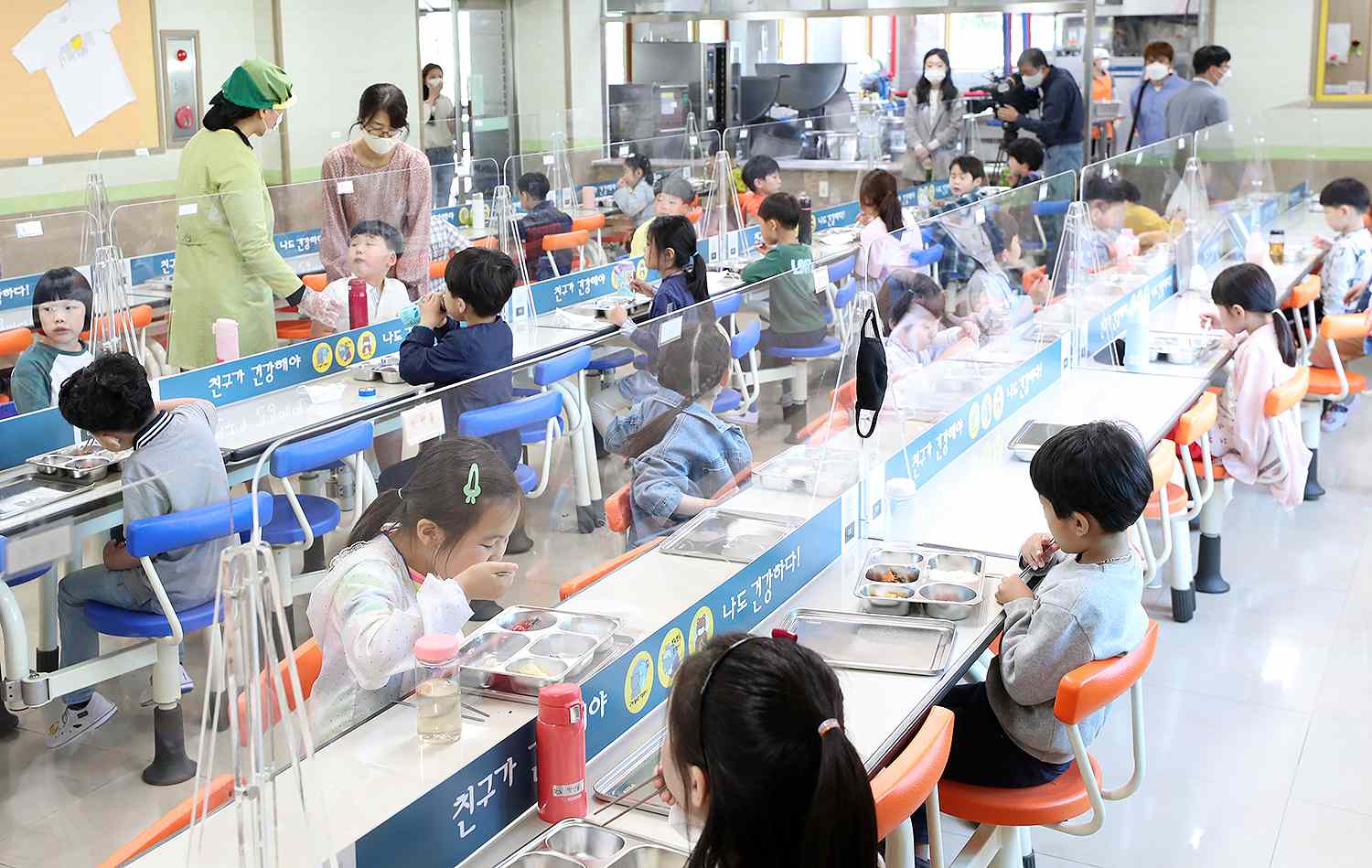
Here's how South Korea pulled it off. I wish we could be this organized but I doubt we could pull something like this off.
The pictures say it all: How South Korean schools are reopening
The pictures say it all: How South Korean schools are reopening

Here are some more specific questions that are being floated locally here via SM. All of these are incredibly valid. Remember, it didn't have to be this way. We all should have been planning for this SINCE MARCH. It shouldn't have to have been a choice between inequitable health outcomes, inequitable educational outcomes, and inequitable financial outcomes.
Questions for School Openings:
• If a teacher tests positive for COVID-19 are they required to quarantine for 2-3 weeks? Is their sick leave covered, paid?
• If that teacher has 5 classes a day with 30 students each, do all 150 of those students need to then stay home and quarantine for 14 days?
• Do all 150 of those students now have to get tested? Who pays for those tests? Are they happening at school? How are the parents being notified? Does everyone in each of those kids' families need to get tested? Who pays for that?
• What if someone who lives in the same house as a teacher tests positive? Does that teacher now need to take 14 days off of work to quarantine? Is that time off covered? Paid?
• Where is the district going to find a substitute teacher who will work in a classroom full of exposed, possibly infected students for substitute pay?
• Substitutes teach in multiple schools. What if they are diagnosed with COVID-19? Do all the kids in each school now have to quarantine and get tested? Who is going to pay for that?
• What if a student in your kid's class tests positive? What if your kid tests positive? Does every other student and teacher they have been around quarantine? Do we all get notified who is infected and when? Or because of HIPAA regulations are parents and teachers just going to get mysterious “may have been in contact” emails all year long?
• What is this stress going to do to our teachers? How does it affect their health and well-being? How does it affect their ability to teach? How does it affect the quality of education they are able to provide? What is it going to do to our kids? What are the long-term effects of consistently being stressed out?
• How will it affect students and faculty when the first teacher in their school dies from this? The first parent of a student who brought it home? The first kid?
• How many more people are going to die, that otherwise would not have if we had stayed home longer?
I think it would behoove all public officials to respond publicly and intentionally to these questions, even if the answer is "I don't know" or "We don't care."
Questions for School Openings:
• If a teacher tests positive for COVID-19 are they required to quarantine for 2-3 weeks? Is their sick leave covered, paid?
• If that teacher has 5 classes a day with 30 students each, do all 150 of those students need to then stay home and quarantine for 14 days?
• Do all 150 of those students now have to get tested? Who pays for those tests? Are they happening at school? How are the parents being notified? Does everyone in each of those kids' families need to get tested? Who pays for that?
• What if someone who lives in the same house as a teacher tests positive? Does that teacher now need to take 14 days off of work to quarantine? Is that time off covered? Paid?
• Where is the district going to find a substitute teacher who will work in a classroom full of exposed, possibly infected students for substitute pay?
• Substitutes teach in multiple schools. What if they are diagnosed with COVID-19? Do all the kids in each school now have to quarantine and get tested? Who is going to pay for that?
• What if a student in your kid's class tests positive? What if your kid tests positive? Does every other student and teacher they have been around quarantine? Do we all get notified who is infected and when? Or because of HIPAA regulations are parents and teachers just going to get mysterious “may have been in contact” emails all year long?
• What is this stress going to do to our teachers? How does it affect their health and well-being? How does it affect their ability to teach? How does it affect the quality of education they are able to provide? What is it going to do to our kids? What are the long-term effects of consistently being stressed out?
• How will it affect students and faculty when the first teacher in their school dies from this? The first parent of a student who brought it home? The first kid?
• How many more people are going to die, that otherwise would not have if we had stayed home longer?
I think it would behoove all public officials to respond publicly and intentionally to these questions, even if the answer is "I don't know" or "We don't care."

bogey21
TUG Member
I'm not sure there are good answers to all these questions. Is the alternative shutting down schools until next year...
George
George
WVBaker
TUG Member
- Joined
- Mar 19, 2015
- Messages
- 2,487
- Reaction score
- 2,088
Here's how South Korea pulled it off. I wish we could be this organized but I doubt we could pull something like this off.
The pictures say it all: How South Korean schools are reopening
Spike in Coronavirus Cases Causes Hundreds of Schools in South Korea to Close After Reopening
South Korea began relaxing social distancing guidelines in May
- Joined
- Apr 9, 2016
- Messages
- 4,305
- Reaction score
- 3,824
- Resorts Owned
- RCI Weeks: LaCosta Beach Club, RCI Points: Oakmont Resort, Vacation Village at Parkway. Wyndham: CWA and La Belle Maison, and WorldMark.
To answer your question, George - I do not think anyone is suggesting that schools be shut down until next year. Rather, there are changes that need to be made now - that can be made now - that would help get kids back to school.I'm not sure there are good answers to all these questions. Is the alternative shutting down schools until next year...
George
Unfortunately, as Amy suggests earlier, districts and state BOE's have been sitting on their hands since March. That is inexcusable.
So how would a safer school day look?
Max students in a classroom have to be cut substantially.
Bus routes are going to have to be redesigned - and perhaps run multiple times each morning and afternoon.
Classrooms need to become spartan designed - having only what is absolutely necessary. No fru-fru, no decor.
Desks arranged six feet apart in all directions.
Student schedules staggered - not just with respect to arrival / departure times but also throughout the school day.
Facial coverings required (and yes, that sound you just heard was @Ken555 keeling over......). I'll address this at the end.
Student screenings every day. All staff screened every day.
Schools may need to split their students and staff in an A/B fashion. Some starting even earlier in the morning and dismissing earlier in the afternoon, other grades start later, end later.
Extra curricular activities for the fall should not occur this year. If all goes well, perhaps restart with the winter extra curricular activities.
All these things (and more) can be done if a school board or a state DOE wants them to occur.
Let's watch to see how many are actually implemented.
Now that Ken has regained consciousness, because we are going to be forced into a situation where social distancing will not be possible and/or will be frequently violated, facial coverings are going to have to be required. The very nature of school being what it is, the unavoidable environmental conditions demand it.
Are you okay, Ken?
Last edited:
What's interesting about their response is the spike in cases that caused them to delay the reopening of the schools was only 79 cases for the entire country. They took this thing seriously from the beginning.Spike in Coronavirus Cases Causes Hundreds of Schools in South Korea to Close After Reopening
South Korea began relaxing social distancing guidelines in Maypeople.com
bogey21
TUG Member
To answer your question, George - I do not think anyone is suggesting that schools be shut down until next year. Rather, there are changes that need to be made now - that can be made now - that would help get kids back to school.
The problem will be getting School Districts to (1) agree what has to be done, (2) implementing what they finally decide on, and (3) getting parents to buy in. IMO this will not be easy...
George
TravelTime
TUG Member
- Joined
- Mar 20, 2018
- Messages
- 8,115
- Reaction score
- 6,473
- Location
- California
- Resorts Owned
- All Resale: MVC DPs, Marriott Ko Olina, Marriott Marbella, WKOVR-N, Four Seasons Aviara
More articles of teachers making six figures. I like this pay for performance concept.
 www.npr.org
 www.americanprogress.org

 www.weareteachers.com

 www.quora.com
San Jose School District Salary Schedule:
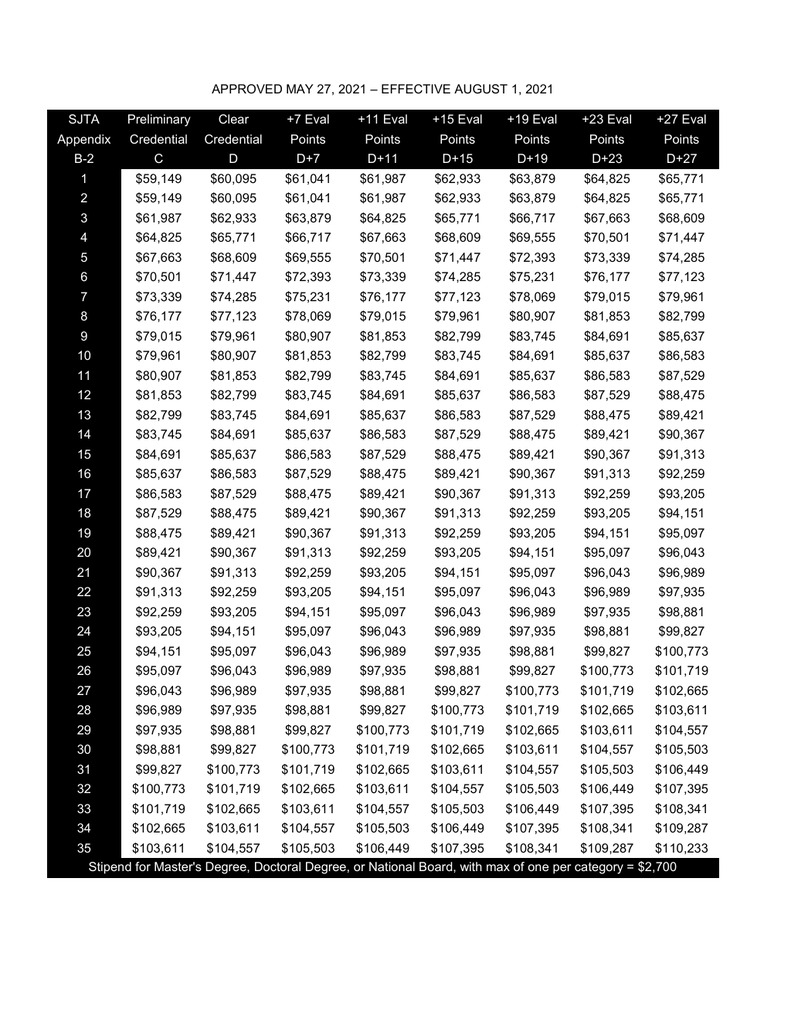
 sjusd.app.box.com
Chicago School District Salary Schedule
Palo Alto, CA School District Salary Schedule

 drive.google.com
Washington DC School District Salary Schedule
Houston School District Salary Schedule
NYC School District Salary Schedule
Nassau County, NY Teacher Salaries
Los Angeles District Teacher Salary Schedule
Does It Pay To Pay Teachers $100,000?
Once all but unattainable, a six-figure salary is a reality for a growing number of teachers.
www.npr.org
Do More, Add More, Earn More
An examination of how 10 school districts are redesigning teacher compensation systems so the teachers who make a bigger difference get a bigger paycheck.
www.americanprogress.org
11 School Districts That Pay Teachers Six Figures
Yes, it's true. Teachers who've been on the job for several years can earn six figures in many states.
www.weareteachers.com
Do teachers really make $100,000 per year?
Answer (1 of 12): Hi, Anonymous. You haven’t asked where do teachers make 100k per annum, and you haven’t asked for what level of schooling, or after how many years of experience. So your question as presently phrased, is not too useful. But I can supply an answer for my region of Australia. Le...
San Jose School District Salary Schedule:
2021.08.01 Teacher Salary Schedule.pdf | Powered by Box
sjusd.app.box.com
Chicago School District Salary Schedule
Palo Alto, CA School District Salary Schedule
1920Salary_Teacher_Dec4.pdf
drive.google.com
Washington DC School District Salary Schedule
Houston School District Salary Schedule
NYC School District Salary Schedule
Nassau County, NY Teacher Salaries
Los Angeles District Teacher Salary Schedule
Last edited:

Brett
Guest
Spike in Coronavirus Cases Causes Hundreds of Schools in South Korea to Close After Reopening
South Korea began relaxing social distancing guidelines in May
that's one way of getting the kids and teachers back to school - encased in the "cone of social distance" !

- Joined
- Jun 7, 2005
- Messages
- 15,306
- Reaction score
- 6,439
- Location
- Los Angeles
- Resorts Owned
- Westin Kierland
Sheraton Desert Oasis
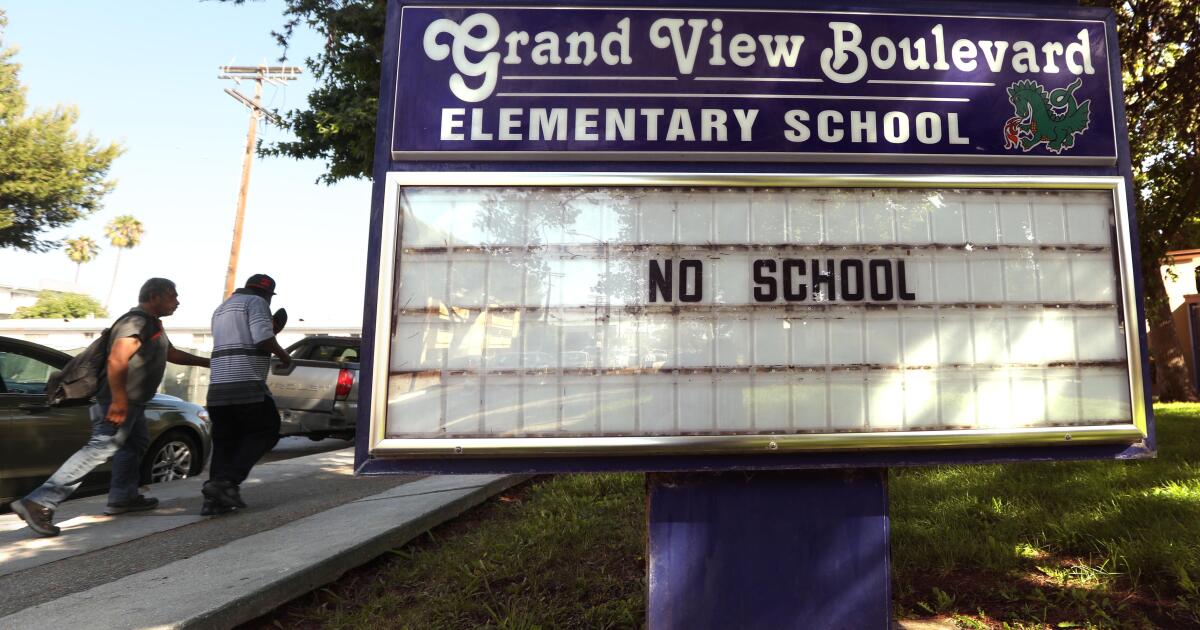
L.A. Unified will not reopen campuses for start of school year amid coronavirus spike
 www.latimes.com
Sent from my iPad using Tapatalk
L.A. Unified will not reopen campuses for start of school year amid coronavirus spike
Because of the spike in coronavirus cases, Los Angeles public school campuses will not reopen for classes Aug. 18 and will remain shut indefinitely.
www.latimes.com
Sent from my iPad using Tapatalk
- Status
- Not open for further replies.